A brass hinge is the small but critical hardware component that lets a door swing smoothly while supporting its weight over years of daily use. Choosing the right brass hinges for doors comes down to three factors: matching the hinge size to the door's height and weight, selecting a thickness (gauge) that can bear the load without sagging, and picking a finish that suits the door's style and the room's exposure to moisture.
This guide breaks down each of these decisions so you can confidently select brass door hardware for a residential or commercial project.

What Size Brass Door Hinge Do I Need?
The correct hinge size depends primarily on the door's height, width, and weight — not just personal preference. As a general rule, taller and heavier doors require longer hinges to distribute weight evenly and prevent sagging over time.
Common hinge size guidelines:
Standard interior doors (up to 36 inches wide, lightweight): 3 inch brass door hinges are typically sufficient.
Standard exterior or solid-core doors (36–40 inches wide): 3.5 inch to 4 inch hinges are recommended.
Heavy or oversized doors (over 40 inches wide, solid wood or fire-rated): 4.5 inch to 5 inch hinges provide the necessary support.
3 inch brass door hinges remain the most common choice for standard residential interior doors because they balance load capacity with a compact profile that fits most door frames without additional mortising.
How Thick Should a Brass Hinge Be?
Hinge thickness (also called gauge) determines how much weight a hinge can safely support without bending or wearing prematurely. Thicker hinges are generally reserved for heavier doors, high-traffic entries, or commercial applications where the door is opened and closed frequently.
Thickness recommendations by door type:
Lightweight interior doors: Standard-weight (thinner gauge) brass hinges are adequate.
Solid wood or exterior doors: Heavy-duty (thicker gauge) hinges reduce the risk of sagging.
Commercial or high-frequency-use doors: Extra-heavy-duty brass hinges withstand repeated stress and higher door weights.
As a practical check: if a door feels heavy to lift off its hinges during installation, it needs a thicker-gauge hinge, not just a longer one.
What Are the Best Finishes for Brass Door Hinges?
The best finish for a brass hinge depends on the door's design style and the room's exposure to moisture or heavy handling. Brass hinges are available in a range of finishes, from polished and antique brass to satin nickel and oil-rubbed bronze, each offering different aesthetic and durability characteristics.
Popular finish options include:
A bright, reflective finish suited to traditional or formal interiors.
A muted, low-shine finish that hides fingerprints and wear better than polished brass.
Antique or oil-rubbed brass
A darker, weathered look suited to vintage or rustic aesthetics.
PVD (Physical Vapor Deposition) coated brass
Offers superior tarnish and corrosion resistance, making it a strong choice for humid environments like bathrooms.
For doors exposed to moisture, such as bathroom or exterior doors, a corrosion-resistant finish like PVD-coated brass will maintain its appearance longer than an untreated polished finish.
Why Choose Brass Hinges for Doors Over Other Materials?
Brass hinges are favored for their natural corrosion resistance, durability, and classic appearance that complements a wide range of architectural styles. Unlike some steel alternatives, brass does not rust, making it a reliable choice for humid climates or bathroom doors.
Brass also ages gracefully — many finishes develop a natural patina over time that some homeowners and designers specifically seek out for a warm, lived-in look.


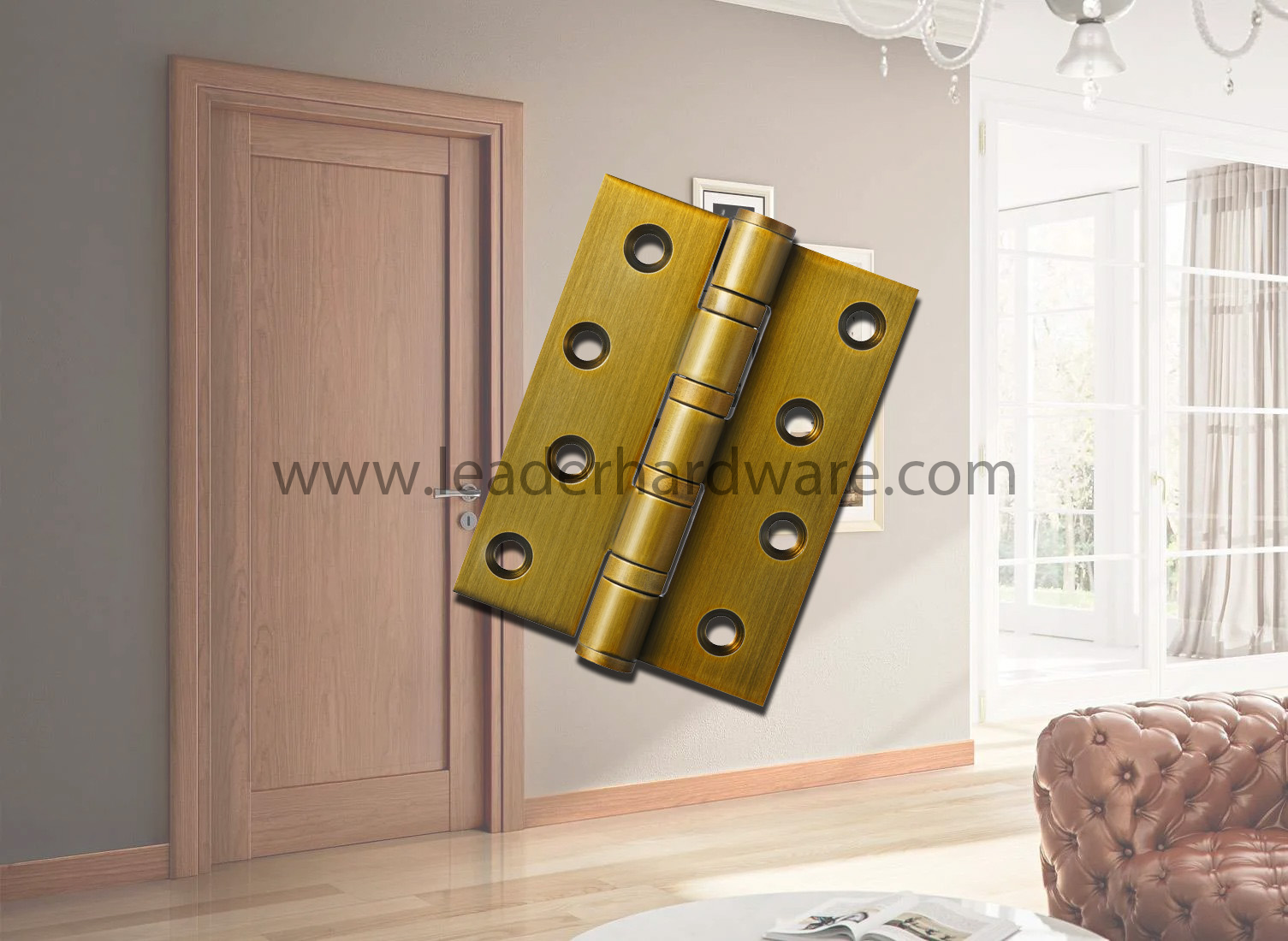 Compare brass hinges and stainless steel hinges by durability, corrosion resistance, and style to find the best fit for your next door project.Blog
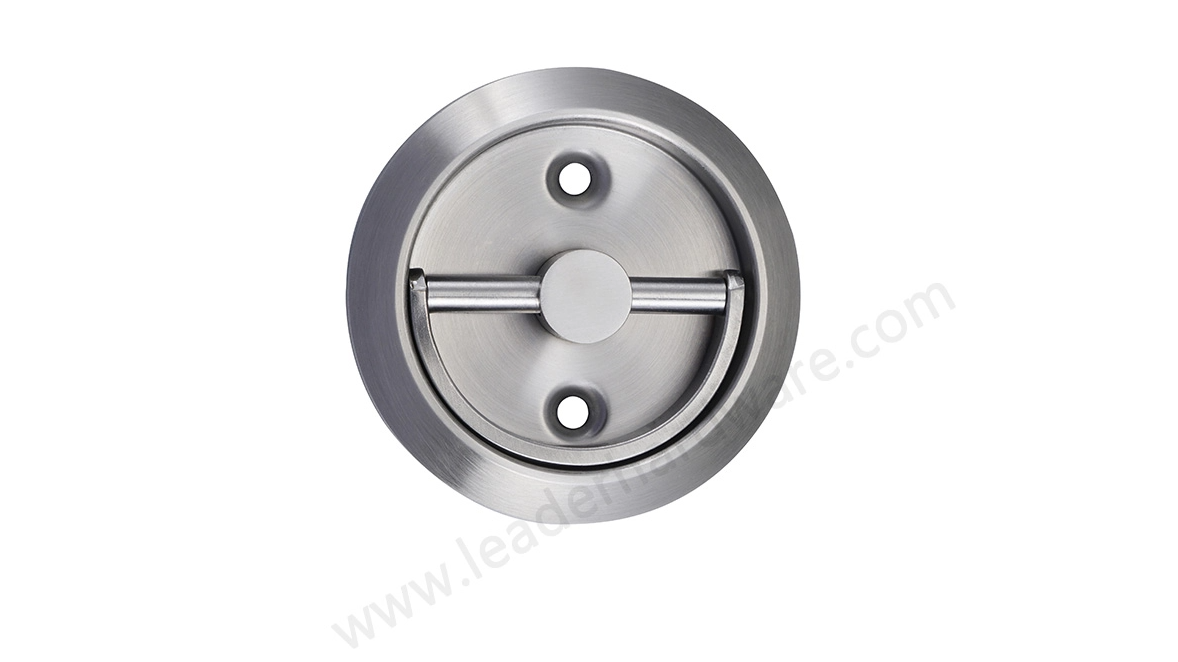 Discover why flush handles are the top choice for pocket and sliding doors, covering benefits, types, materials, and how to choose the right flush pull handle.Blog
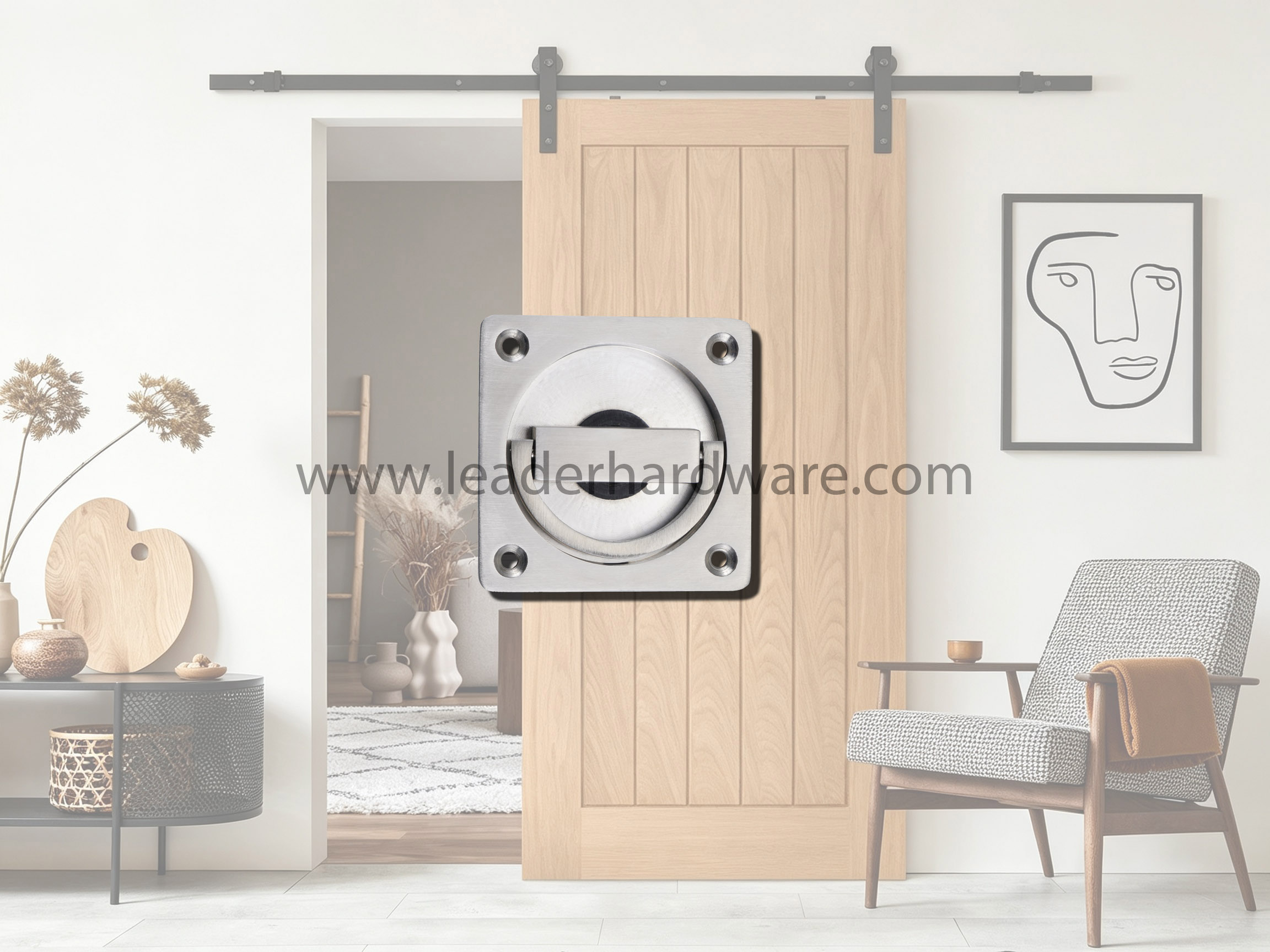 A flush handle is a recessed door hardware fitting that sits flush against — or within — the door surface, rather than projecting outward. Flush door handles are commonly used in pocket doors, sliding doors, cabinetry, and emergency exit applications where a low-profile, obstruction-free finish is r


