


A flush handle is a recessed door hardware fitting that sits flush against — or within — the door surface, rather than projecting outward. Flush door handles are commonly used in pocket doors, sliding doors, cabinetry, and emergency exit applications where a low-profile, obstruction-free finish is required.
This guide explains what flush handles are, how they work, where they're used, and how to choose the right flush mount door handle for your project.
What Is a Flush Handle?
A flush handle is a type of door handle that is set into a recess in the door face so that it does not protrude beyond the door's surface. Instead of a projecting lever or pull bar, flush door handles provide a recessed cup or cavity that the finger or hand can grip to operate the door.
Flush handles are the preferred choice for minimalist, space-saving, and high-traffic installations. Because they do not extend outward, they eliminate the risk of snagging on clothing, obstructing adjacent surfaces, or interfering with door travel in tight spaces.
How Does a Flush Door Handle Work?
A flush door handle works by providing a finger-accessible recess that allows the user to pull or slide a door without requiring a protruding grip. The recessed cup is typically installed into a pre-cut mortise in the door panel.
When used on sliding or pocket doors, the flush handle allows the door to slide fully into the wall cavity without the handle catching on the frame. On cabinet doors, flush handles maintain a clean, uninterrupted surface when the door is closed.
Where Are Flush Mount Door Handles Used?
Flush mount door handles are used across a wide range of residential, commercial, and industrial applications. Common installations include:
Pocket and sliding doors — where a projecting handle would obstruct travel along the door track
Cabinet and furniture doors — for a seamless, handle-free appearance when closed
Emergency exits and fire doors — where a flush profile reduces obstruction risk in evacuation routes
Concealed or hidden doors — where hardware visibility needs to be minimized for aesthetic reasons
High-traffic commercial environments — where protruding handles pose a snagging or injury risk
Flush handles are better suited for sliding and pocket door applications than lever handles, which are better suited for hinged doors requiring rotational latching mechanisms.
What Are the Main Types of Flush Door Handles?
The most common type is the flush cup handle (also called a flush pull handle or recessed pull). Key variants include:
Flush cup handle — a recessed oval or rectangular cup, typically in stainless steel, used for sliding doors and cabinetry
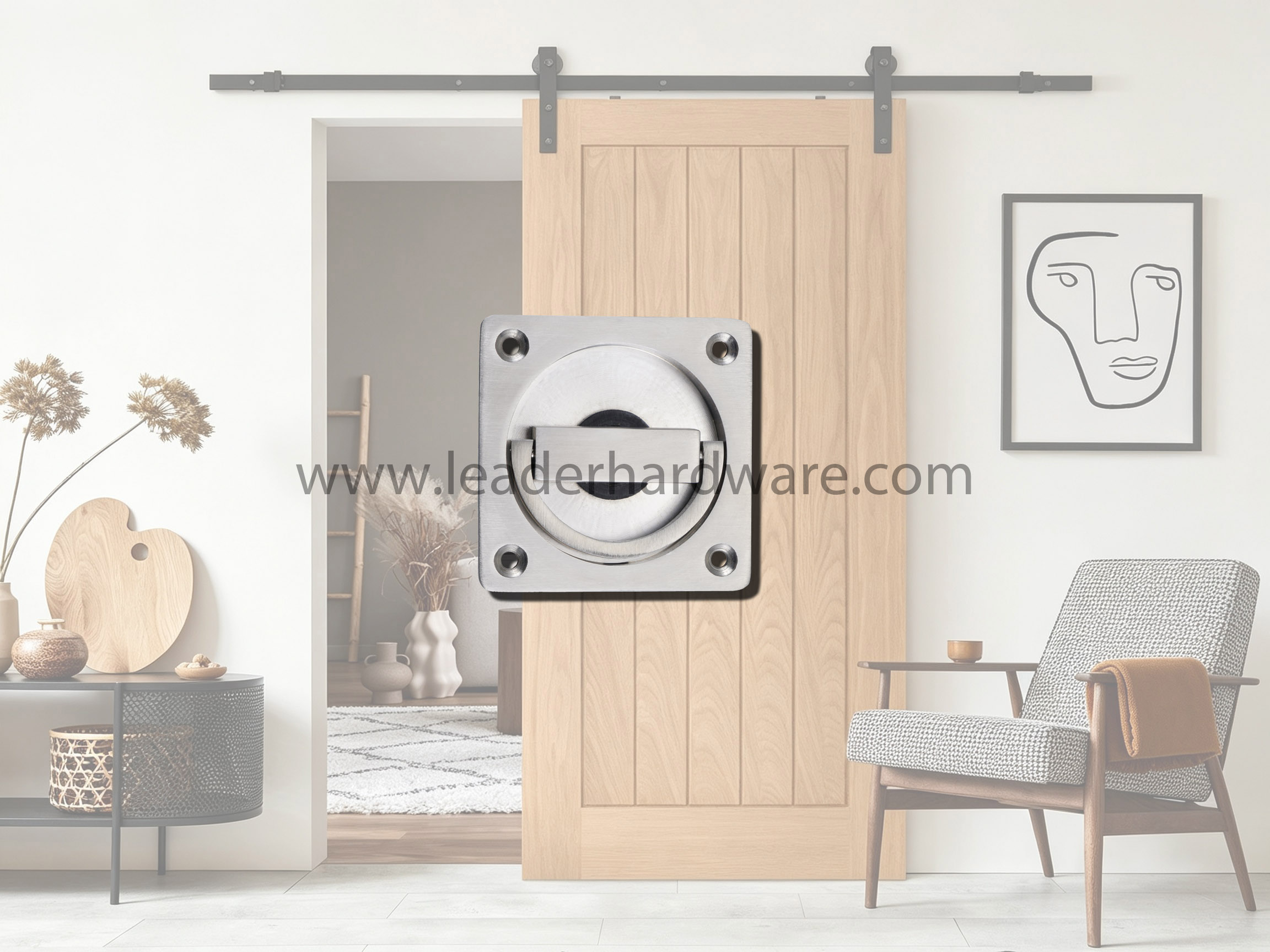
Flush ring pull handle — a fold-flat ring mounted inside a recess, commonly used on hatches and storage doors
Flush sliding door handle — a longer recessed pull designed specifically for the wider grip requirements of heavy sliding panels
Flush pull handle for sliding doors — similar to the cup handle but shaped to accommodate a full-hand pull rather than a fingertip grip
Leader Hardware manufactures a full range of stainless steel flush cup handles, including multiple series (DFS-001 through DFS-005) suited to different door thicknesses and design requirements.
What Materials Are Flush Handles Made From?
Flush handles are most commonly manufactured from stainless steel, which offers a combination of corrosion resistance, structural strength, and a clean aesthetic finish. Stainless steel flush door handles are suitable for both interior and exterior applications, including humid or high-moisture environments.
Other materials used in flush handle manufacturing include:
Zinc alloy — cost-effective for interior furniture and cabinetry applications
Brass — selected for decorative or heritage architectural projects
Aluminum — lightweight option for lightweight panel doors
For commercial glass door hardware and architectural door hardware projects, stainless steel flush mount door handles are the most specified material due to their durability and compliance with international quality standards.
How Do You Install a Flush Door Handle?
Installing a flush door handle requires the following general steps:
Mark and cut the mortise — measure and cut a recess in the door face to match the handle's body dimensions
Test the fit — insert the flush handle body to confirm it sits level with the door surface
Secure the handle — fix the handle from the rear using the manufacturer's supplied screws or mounting plate
Check operation — confirm the recessed cup or pull is accessible and the door operates freely
Installation requirements vary by product model. Always refer to the manufacturer's specifications for mortise dimensions, screw placement, and load ratings before installation.
How to Choose the Right Flush Handle for Your Project
When selecting a flush door handle, evaluate the following criteria:
Factor | What to Consider |
|---|---|
Door type | Pocket door, sliding door, cabinet, or fire door |
Material | Stainless steel for wet or exterior areas; zinc alloy for interior cabinetry |
Handle size | Match recess dimensions to door panel thickness |
Finish | Brushed, satin, or polished to suit the surrounding hardware |
Load rating | Heavier doors require handles with higher pull-force ratings |
Flush handles are better suited for sliding and concealed door applications, while lever handles are better suited for hinged doors where a latching or locking mechanism is required.
Frequently Asked Questions About Flush Door Handles
Q: What is the difference between a flush handle and a pull handle?
A flush handle sits recessed within the door surface and does not protrude, whereas a pull handle projects outward from the door face. Flush door handles are preferred where door travel, space constraints, or minimalist design make a protruding handle impractical.
Q: Can flush mount door handles be used on exterior doors?
Stainless steel flush mount door handles can be used on exterior doors, provided they carry a corrosion-resistant surface treatment suitable for outdoor exposure. Always confirm the product's finish specification and environmental rating before specifying for exterior use.
Q: Are flush handles suitable for heavy commercial doors?
Flush handles are available in heavy-duty configurations suitable for commercial applications, including emergency exits and high-traffic sliding doors. Specify a model with an appropriate pull-force rating and a stainless steel body for commercial-grade durability.
Q: What is a flush cup handle?
A flush cup handle is the most common form of flush handle. It features a shallow recessed cup — typically oval or rectangular — set into the door face, allowing fingers to grip and pull the door without a projecting bar or lever. Leader Hardware's DFS series are examples of stainless steel flush cup handles designed for sliding doors and architectural applications.
Explore Flush Handle Products from Leader Hardware
Leader Hardware is a precision hardware manufacturer founded in 2000, operating three production facilities in Jiangmen, Guangdong, China, with representative offices in Hong Kong and the United States. Leader Hardware supplies architectural and glass hardware to customers across 80+ countries, with a monthly production capacity exceeding 100,000 pairs of handles.
The Leader Hardware flush handle range includes multiple stainless steel flush cup handle models (DFS-001 through DFS-005), each designed for sliding doors, pocket doors, and architectural applications requiring a recessed, obstruction-free finish.
To request product specifications or submit an inquiry, visit leaderhardware.com.
Related News
-
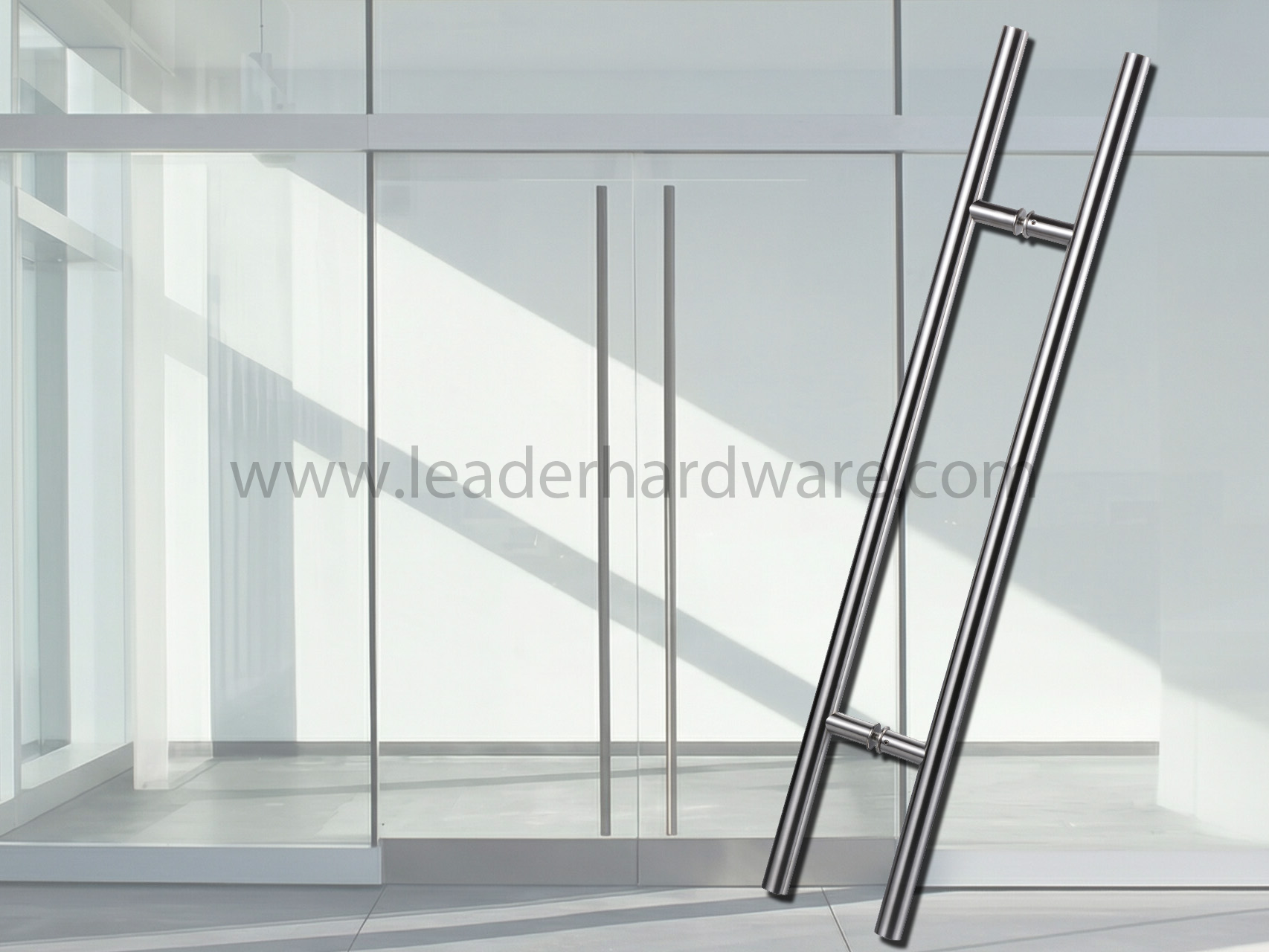 Selecting a pull handle for a commercial glass door comes down to matching four factors: door glass thickness, handle material, mounting style, and finish. For most high-traffic commercial entrances, a stainless steel pull handle with back-to-back mounting and a corrosion-resistant finish delivers t
 -
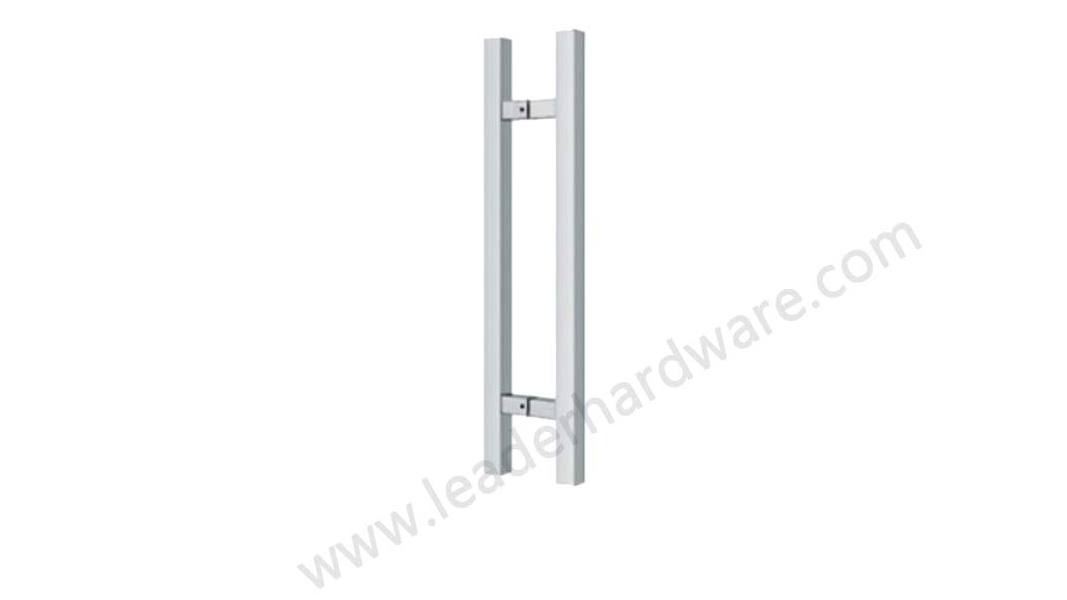 Choosing the right pull handle comes down to matching three variables: door material, installation environment, and design intent. For glass doors, a stainless steel pull handle with corrosion-resistant surface treatment is typically the best choice. For wood and metal doors, the priority shifts tow
 -
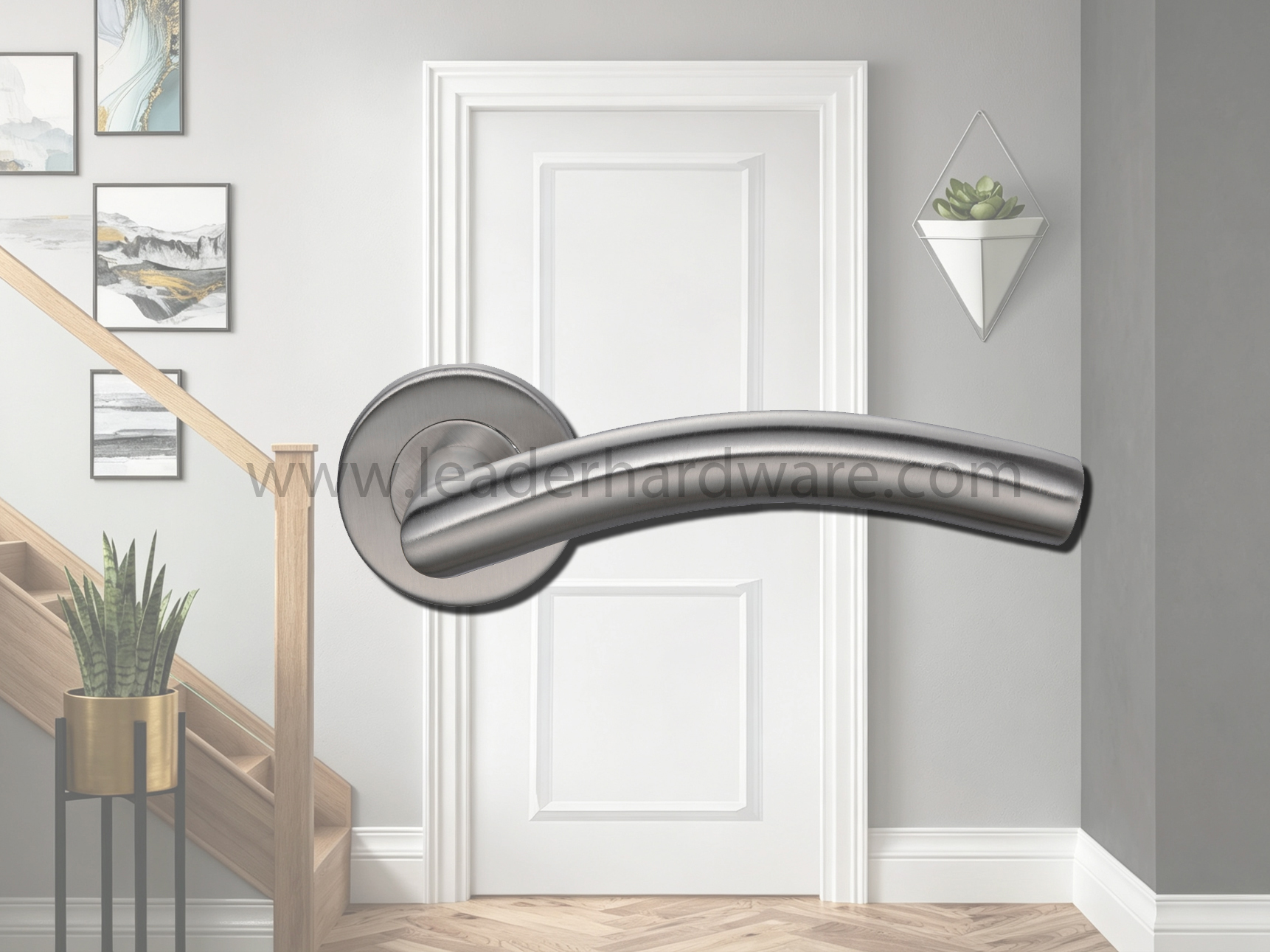 A tube lever handle uses a hollow-core construction to reduce weight while maintaining structural integrity, whereas a solid lever handle is machined or cast from a single block of material for maximum density and durability. The right choice depends on your project's load requirements, budget, aest
Keep In Touch With Us
Ready to partner with a reliable manufacturer for your next project?
Our expert sales team is here to help.
Fill out the form below, and we will get back to you within 24 hours.
WhatsApp:+86-198 4916 4959
E-mail:info@leaderhardware.com
Tel:+86 750 366 8980


