


Choosing the right pull handle comes down to matching three variables: door material, installation environment, and design intent. For glass doors, a stainless steel pull handle with corrosion-resistant surface treatment is typically the best choice. For wood and metal doors, the priority shifts toward load capacity, fixing method, and finish compatibility.
Pull handles are one of the most frequently touched components in any building. Get the specification right, and they become invisible—functional, durable, and aesthetically consistent. Get it wrong, and they corrode, loosen, or visually clash with the rest of the hardware package within months.
This guide covers how to select the correct pull handle for glass, wood, and metal doors, with specific attention to material grade, sizing, finish options, and compatibility.
What types of pull handles are available?
Pull handles are broadly categorized by tube shape, configuration, and mounting style. The most common types include:
Single straight pull handles — compact, clean, and suited to standard frameless glass shower doors and interior doors
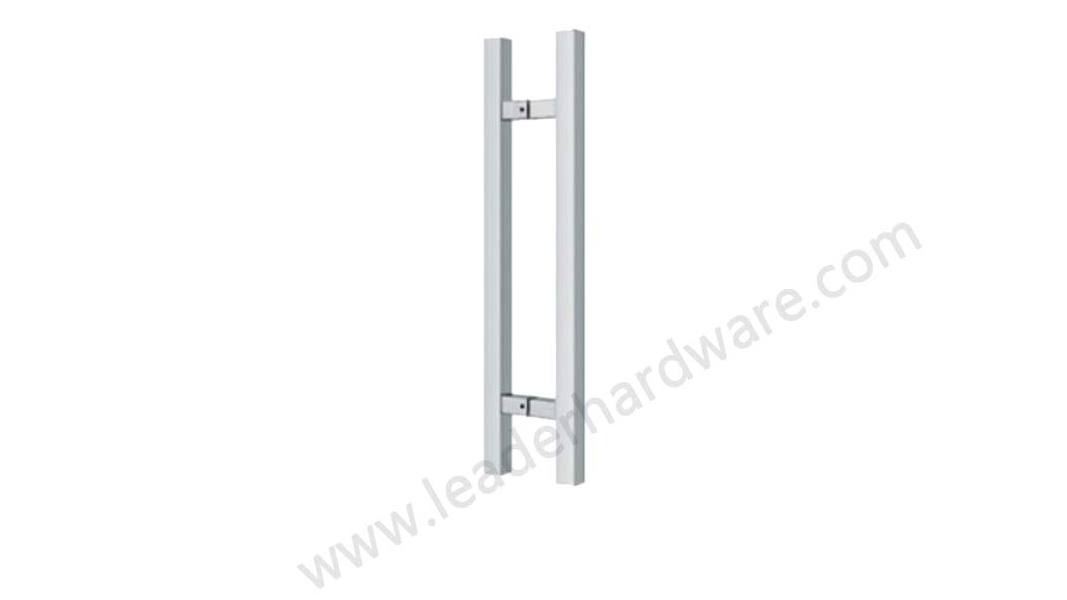
Ladder-style pull handles — two parallel tubes connected by crossbars; better for wider doors, commercial applications, or ADA-accessible designs
Miter joint pull handles — angular, architectural profiles for contemporary door designs
Pull handle and towel bar combinations — dual-function units that work particularly well on glass shower doors where a towel rail is also required
For example, Leader Hardware's PHS-202 is a single straight pull handle built from ANSI 304 stainless steel, while the PHS-201 uses a ladder-style configuration suited to wider panels. The right type depends on door width, usage frequency, and whether additional grip points are needed.
How do you choose a pull handle for a glass door?
For a pull handle on a glass door, prioritize corrosion resistance, glass thickness compatibility, and secure fixing method. Glass doors—particularly frameless shower enclosures—expose hardware to constant humidity, steam, and cleaning chemicals.
Material: Why stainless steel is the standard
ANSI 304 stainless steel is the most widely specified material for pull handles on glass doors. It offers a combination of mechanical strength, resistance to oxidation, and compatibility with a range of surface finishes. This is the same grade used in food processing equipment and medical instruments, which reflects its reliability under demanding conditions.
Higher-quality stainless steel pull handles undergo additional surface treatment processes. According to Leader Hardware, the PHS-202 achieves up to 240 hours of anti-corrosion performance in a neutral salt spray (NSS) test—a figure that exceeds typical industry benchmarks for bathroom and shower door hardware.
Zinc alloy and aluminum handles are available at lower price points but are not recommended for wet environments. They corrode faster, lose structural integrity, and are difficult to re-finish.
Glass thickness compatibility
Confirm that the pull handle's fixing hardware is compatible with your glass thickness before ordering. The standard range for frameless shower glass is:
6mm — lighter shower screen applications
8mm — the most common thickness for residential frameless showers
10mm — heavier-duty residential and light commercial
12mm — commercial shower enclosures and premium residential projects
Leader Hardware's PHS-202, for instance, is compatible with glass from 6mm to 12mm, making it a practical choice across most residential and commercial project types.
Hole-to-hole distance and sizing
The hole-to-hole distance—the measurement between the two mounting bolt holes—must be specified at the point of ordering, as it determines drilling positions on the glass. Common standard sizes are 6" (152mm), 8" (203mm), and 12" (305mm). Larger or custom sizes are available from most manufacturers on request.
As a general rule, taller door panels benefit from longer hole-to-hole distances to maintain ergonomic grip height, while compact shower screens work well with 6" or 8" options.
How do you choose a pull handle for a wooden door?
For wooden doors, the key selection criteria are load capacity, fixing method, and finish durability. Unlike glass doors, wooden doors allow for more flexible drilling and mounting options, but they also require handles that can withstand repeated mechanical stress without loosening.
Load rating and tube construction
Solid-bar handles offer greater rigidity and are better suited to heavy wooden doors in high-traffic environments. Tube handles—which use hollow-core construction—are lighter and adequate for most residential interior and exterior wooden doors.
For exterior wooden doors, choose handles with a protective coating or finish rated for outdoor exposure. Brushed stainless steel and powder-coated finishes both perform well in external applications.
Fixing method
Most wooden door pull handles use through-bolt fixing, where bolts pass through pre-drilled holes in the door. Ensure the bolt length matches the door thickness, and use a backing plate on hollow-core doors to distribute load across a larger surface area.
How do you choose a pull handle for a metal door?
For metal doors—including steel fire doors, aluminum-framed commercial doors, and industrial access panels—prioritize structural fixing strength and finish hardness. Metal doors are typically heavier and subject to higher-frequency use than residential wooden or glass doors.
Fixing considerations for metal doors
Metal doors often require different fixing hardware than glass or wood. Threaded inserts, weld-on back plates, or through-bolt assemblies are common approaches, depending on the door panel thickness and composition. Confirm the fixing method with the door manufacturer before specifying the handle.
Finish durability on metal doors
Commercial metal door environments often involve higher rates of physical contact, cleaning, and exposure to external conditions. Brushed stainless steel is a reliable choice for interior commercial metal doors. For exterior applications or high-humidity industrial settings, consider handles with a higher NSS corrosion test rating.
What finish should you choose for a pull handle?
Finish selection affects both the visual result and long-term maintenance requirements. The most commonly available finishes for stainless steel pull handles are:
Finish | Best Suited For |
|---|---|
Brushed Stainless Steel | Residential and commercial projects; hides fingerprints; pairs with most hardware collections |
Polished Stainless Steel | Contemporary minimalist designs; high-gloss appearance |
Satin Brass | Transitional and traditional interiors; warm gold tone |
Gun Metal | Industrial or high-contrast aesthetics; dark charcoal appearance |
Matte Black | Modern bathrooms and commercial spaces; strong contrast against clear glass |
Choose Brushed Stainless Steel when finish consistency across a large multi-door project is the priority. Choose Matte Black or Gun Metal when the design brief calls for darker accent hardware. Satin Brass works best in projects that already include brass fixtures, faucets, or lighting.
For special finishes, manufacturing quality matters. Visible color variation becomes detectable when the ΔE (color difference) value exceeds 2. Laser-welded construction—used in Leader Hardware's PHS-202—helps maintain joint uniformity, which directly supports tighter color consistency across production batches.
Pull handle for glass door vs. wood door vs. metal door: Key differences
Criteria | Glass Door | Wood Door | Metal Door |
|---|---|---|---|
Recommended material | ANSI 304 stainless steel | Stainless steel or solid brass | Stainless steel |
Key specification | Glass thickness compatibility | Load capacity and bolt length | Fixing method and panel thickness |
Environment concern | Humidity and corrosion | Mechanical wear and outdoor exposure | High-frequency use and external conditions |
Recommended finish | Brushed SS or Matte Black | Brushed SS or Polished SS | Brushed SS |
Where to source stainless steel pull handles
Leader Hardware manufactures a complete range of pull handles and towel bars in ANSI 304 stainless steel, including single-bar handles, ladder-style handles, miter joint designs, and combination pull handle and towel bar units. Leader Hardware has operated since 2000 and exports to 80+ countries, with a monthly production capacity of approximately 100,000 pairs of handles.
For project inquiries, custom finish requests, or volume orders, contact the Leader Hardware team directly at leaderhardware.com.
Frequently Asked Questions
Q: What is the best material for a pull handle on a glass shower door?
ANSI 304 stainless steel is the best material for pull handles on glass shower doors. It provides strong corrosion resistance against humidity, steam, and cleaning chemicals. Look for handles that have been tested to at least 200 hours in a neutral salt spray (NSS) test for reliable long-term performance.
Q: How do I know what size pull handle to order for my door?
The two key measurements are the overall handle length and the hole-to-hole distance (the spacing between mounting bolt holes). Common hole-to-hole distances are 6" (152mm), 8" (203mm), and 12" (305mm). Measure your door height and existing hole positions, or consult the hardware manufacturer if you are specifying from scratch.
Q: Can the same pull handle be used on glass, wood, and metal doors?
Some pull handles are designed for cross-application use, but the fixing hardware and bolt specifications often differ. A pull handle for glass doors uses bolts sized for glass panel drilling, while wooden and metal door applications may require different thread types or backing plates. Always confirm compatibility with the manufacturer before ordering across different door types.
Q: What is the difference between a single pull handle and a ladder-style pull handle?
A single pull handle is a single straight bar suited to standard-width doors and minimalist designs. A ladder-style pull handle uses two parallel bars connected by crossbars, providing additional grip points. Ladder-style handles are better suited to wider doors, commercial applications, or ADA-accessible installations where ease of grip at multiple heights is important.
Q: How do I prevent my pull handle from corroding?
Choose a handle manufactured from ANSI 304 or 316 stainless steel with a surface treatment validated by NSS (neutral salt spray) testing. Regular cleaning with a mild, non-abrasive cleaner also helps. Avoid handles made from zinc alloy or untreated mild steel in wet or high-humidity environments, as these materials corrode significantly faster.
Related News
-
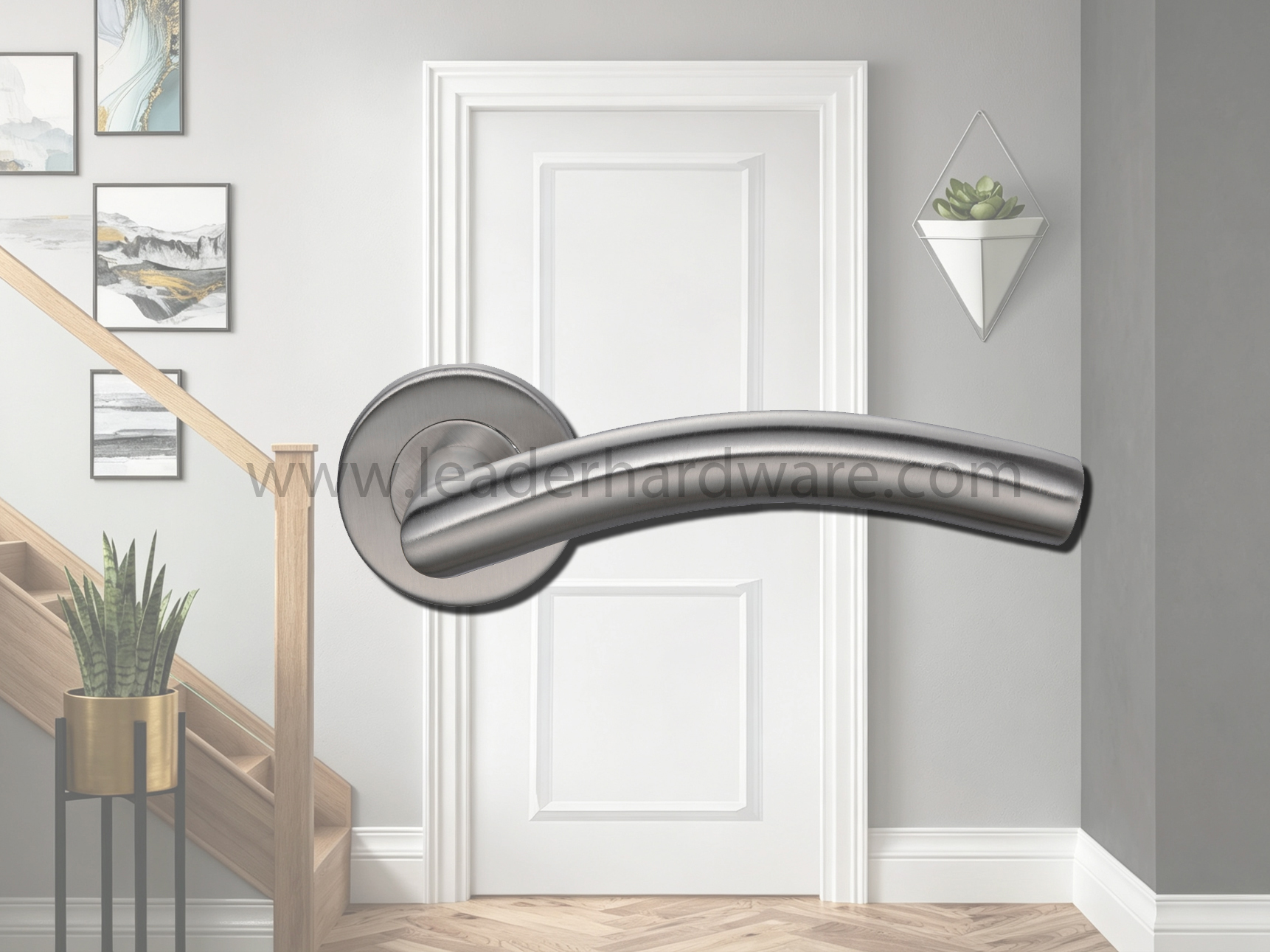 A tube lever handle uses a hollow-core construction to reduce weight while maintaining structural integrity, whereas a solid lever handle is machined or cast from a single block of material for maximum density and durability. The right choice depends on your project's load requirements, budget, aest
 -
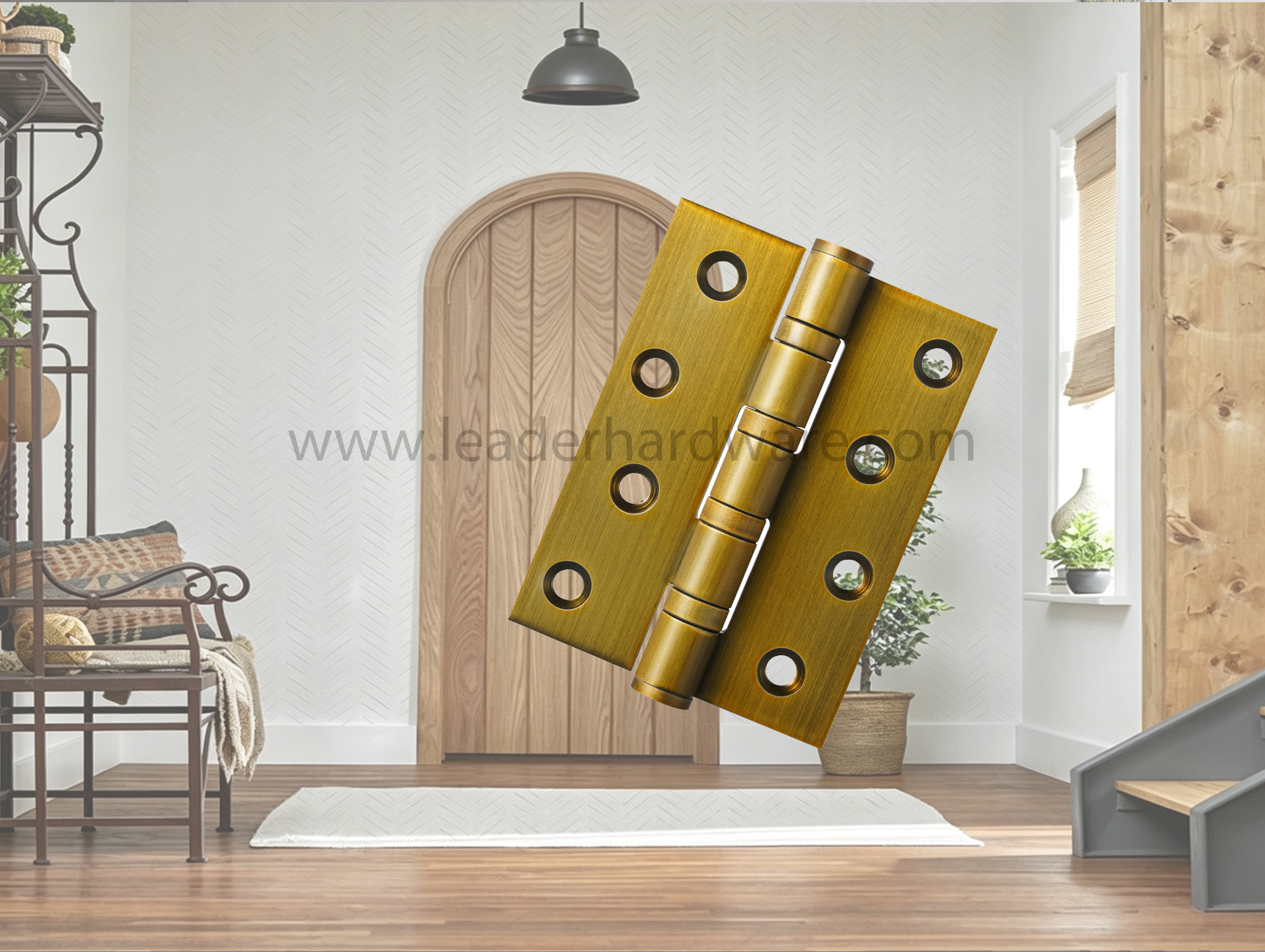 A stainless steel door hinge is a corrosion-resistant pivot mechanism used to connect a door to its frame, allowing smooth, controlled movement. Choosing the right SS hinge requires matching three key variables—size, material thickness, and load capacity—to the specific weight, dimensions, and envir
 -
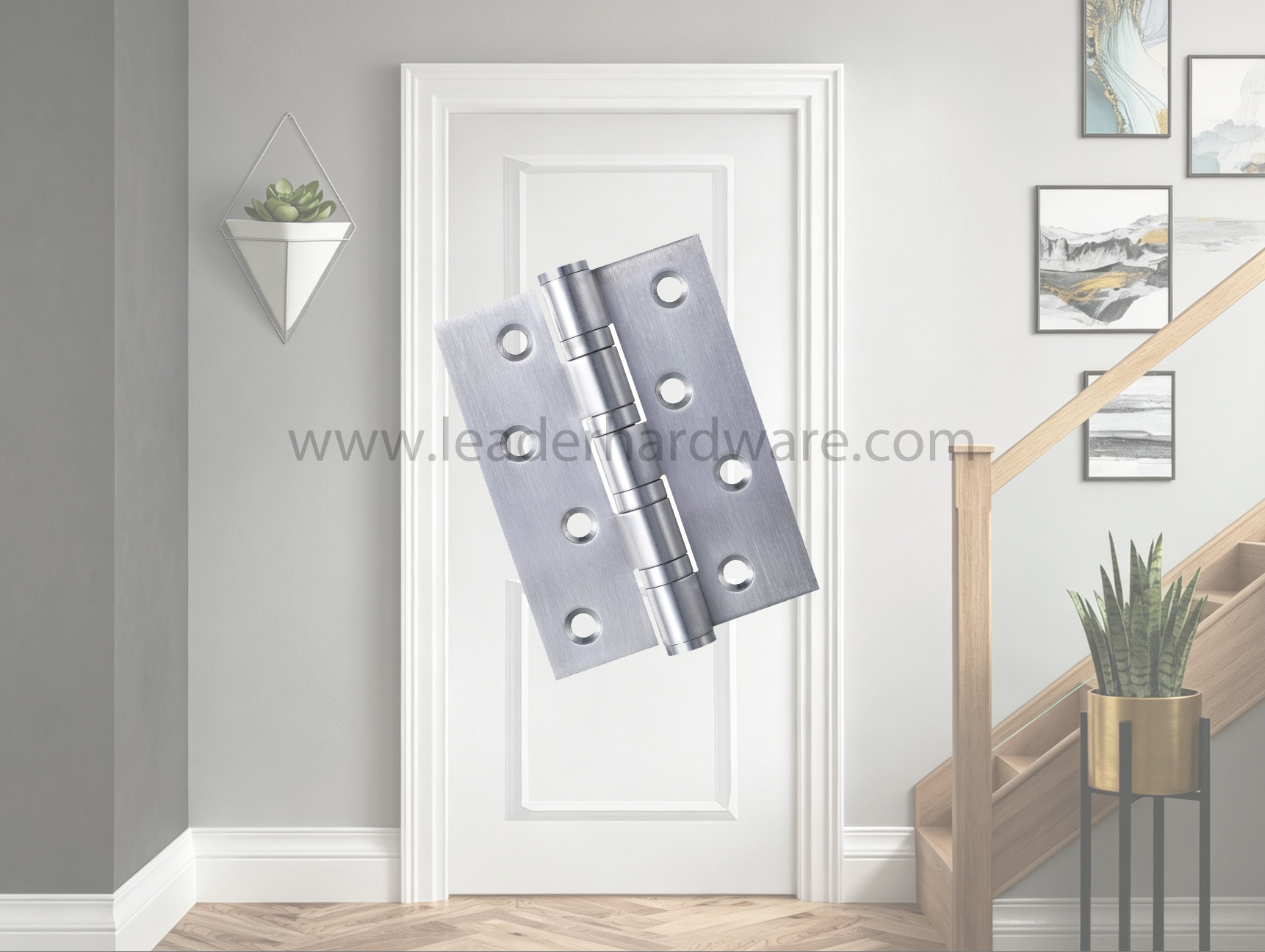 A stainless steel hinge for a wooden door should be selected based on the door's weight, thickness, usage frequency, environmental conditions, and the desired finish. Choosing the correct SS hinge ensures smooth operation, long-term corrosion resistance, and a consistent aesthetic that complements t
Keep In Touch With Us
Ready to partner with a reliable manufacturer for your next project?
Our expert sales team is here to help.
Fill out the form below, and we will get back to you within 24 hours.
WhatsApp:+86-198 4916 4959
E-mail:info@leaderhardware.com
Tel:+86 750 366 8980


