


A stainless steel solid lever handle for commercial doors should be selected based on material grade, finish durability, door weight and thickness, usage frequency, and compliance with accessibility standards. Choosing the right handle ensures long-term performance, security, and visual consistency across a commercial space.
Solid lever handles are a staple of commercial architecture—found on office entrances, hotel corridors, retail storefronts, and institutional facilities worldwide. Unlike hollow tube alternatives, a solid lever handle is machined or cast from a single piece of metal, giving it greater structural integrity under heavy daily use. But with dozens of grades, finishes, and designer configurations available, selecting the right product for a specific project requires a clear framework.
This guide walks through every key decision point, from material specification to aesthetic alignment, so specifiers, contractors, and procurement managers can make confident, informed choices.
What Is a Solid Lever Handle, and Why Does It Matter for Commercial Doors?
A solid lever handle is a door handle manufactured from a solid billet or casting of metal—most commonly 304 or 316 stainless steel—rather than a hollow tube. The result is a heavier, denser component with superior resistance to bending, cracking, and surface wear.
For commercial doors, this distinction matters considerably. High-traffic environments subject hardware to thousands of operation cycles per day. A hollow lever handle may be adequate for a residential interior door, but on a commercial entry or corridor door, it can flex, loosen, or fail prematurely. Solid lever handles for commercial doors are engineered to maintain tight tolerances and consistent operation over years of intensive use.
Key structural advantages of solid lever handles:
Higher tensile and compressive strength
Reduced flex and rattle under lateral force
More durable surface finish retention
Greater resistance to tampering and forced entry
What Stainless Steel Grade Should You Specify for a Commercial Solid Lever Handle?
For most commercial door applications, 304 stainless steel is the recommended minimum grade. For coastal, high-humidity, or chemically exposed environments, 316 stainless steel provides superior corrosion resistance.
Stainless steel is the dominant material for commercial lever handles because it combines mechanical strength with passive corrosion resistance. However, not all stainless steel performs equally.
304 Stainless Steel
304 is the most widely used grade in architectural hardware. It contains approximately 18% chromium and 8% nickel, offering excellent corrosion resistance in standard indoor and mild outdoor environments. Most commercial office, retail, and hospitality projects specify 304-grade solid lever handles.
316 Stainless Steel
316 adds molybdenum to the alloy, significantly improving resistance to chloride corrosion—relevant for coastal buildings, swimming pool facilities, food processing plants, and healthcare environments where cleaning chemicals are used frequently. If the installation environment involves regular exposure to salt air or aggressive disinfectants, 316 is the correct specification.
Grade selection at a glance:
304 stainless steel is better suited for standard commercial interiors, office buildings, hotels, and retail environments.
316 stainless steel works best when the door is exposed to coastal air, chlorine, or repeated chemical cleaning.
How Do You Evaluate Finish Options for a Designer Solid Door Lever Handle?
The finish on a designer solid door lever handle affects both appearance and long-term durability. Common commercial finishes include brushed (satin), mirror-polished, PVD-coated matte black, and brushed gold.
Finish selection is where functional specification meets architectural intent. A designer solid door lever handle must align with the broader interior or exterior design language while meeting the practical demands of the environment.
Common Finish Options
Finish | Appearance | Best For | Maintenance Level |
|---|---|---|---|
Brushed / Satin | Matte, directional grain | High-touch commercial areas | Low — conceals fingerprints |
Mirror Polished | High-gloss, reflective | Hospitality, luxury retail | High — shows smudges |
PVD Matte Black | Dark, contemporary | Modern commercial interiors | Low — highly durable |
PVD Brushed Gold | Warm metallic tone | Hotels, premium offices | Moderate |
Antique Bronze | Aged, traditional look | Heritage buildings, classic interiors | Moderate |
PVD (Physical Vapour Deposition) coatings are particularly well suited to commercial applications because they bond at the molecular level, producing a finish that resists scratching, fading, and corrosion far longer than traditional electroplating.
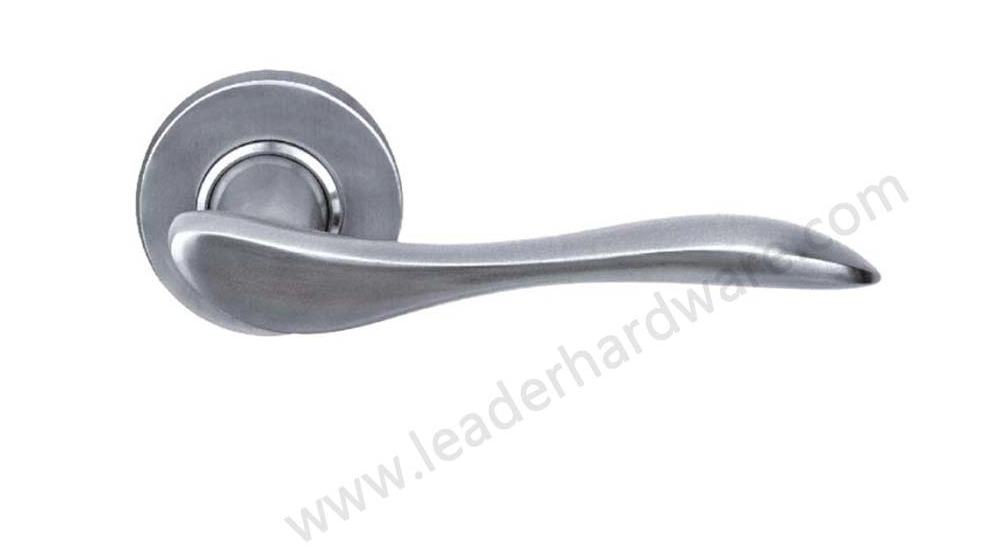
What Dimensions and Load Ratings Should a Solid Lever Handle for Commercial Doors Meet?
A solid lever handle for commercial doors should match the door's weight, thickness, and operational frequency. Standard lever lengths range from 110mm to 130mm, while rose or backplate dimensions must align with the lock body specification.
Getting the dimensions right is as important as the material specification. An undersized handle on a heavy fire door, or an oversized backplate on a narrow stile, creates both functional and aesthetic problems.
Key dimensional considerations:
Lever length: Longer levers provide greater mechanical advantage—important for heavy fire-rated doors or doors with high-resistance closers.
Door thickness compatibility: Most commercial lever sets accommodate doors from 35mm to 55mm, but always verify before specifying.
Backplate or rose diameter: Must align with the lock case and door stile width to avoid interference.
Spindle size: Typically 8mm square for standard mortise locks; confirm compatibility with the specified lockset.
Cycle rating: Commercial-grade solid lever handles should be rated for a minimum of 200,000 operation cycles; heavy-duty products often exceed 500,000 cycles.
How Do Accessibility Standards Affect Solid Lever Handle Selection?
Lever handles are the preferred hardware type for accessible door design because they do not require tight grasping, pinching, or twisting. In most jurisdictions, including those following ADA (Americans with Disabilities Act) or ISO 21542 guidelines, lever-style handles are required on accessible routes.
When specifying a solid lever handle for commercial doors on accessible routes, ensure:
The lever can be operated with a closed fist or single hand
Return-to-door lever designs (where the lever tip curves back toward the door) are used to prevent sleeve or clothing entrapment
The handle is mounted between 875mm and 1000mm above finished floor level
Operating force does not exceed 22 N (5 lbf) for interior doors
What Design Styles Are Available for Designer Solid Door Lever Handles?
Designer solid door lever handles are available in square, tubular, contoured, and geometric profiles to suit minimalist, contemporary, transitional, and traditional commercial interiors.
The handle profile is often the detail that makes or breaks a project's hardware specification. Today's designer solid door lever handle options extend well beyond the standard round-bar lever, with architects and interior designers increasingly treating door hardware as a deliberate design element.
Common design profiles:
Square bar levers: Clean, angular, and highly suited to modern and industrial interiors
Round tube levers (solid): Classic and versatile; suits both contemporary and transitional schemes
Contoured ergonomic levers: Shaped for comfort under repeated use; popular in healthcare and education
Tapered levers: Refined and architectural; common in luxury hospitality and premium office fitouts
Geometric designer levers: Distinctive forms used as a focal point in high-end retail or boutique hotel design
When selecting a designer solid door lever handle, consider how the handle profile relates to other hardware elements in the space—hinges, flush pulls, cabinet knobs, and balustrade fittings—to achieve a cohesive specification.
How Should You Assess a Supplier or Manufacturer of Solid Lever Handles for Commercial Doors?
A reliable manufacturer of solid lever handles for commercial doors should offer verifiable certifications, documented test results, OEM/ODM capability, and consistent production capacity to fulfill large or repeat orders.
Not all hardware suppliers operate at the same standard. For commercial projects, procurement managers and specifiers should evaluate suppliers against the following criteria:
Material certification: Can the supplier provide mill certificates confirming stainless steel grade?
Testing documentation: Are cycle-count tests, corrosion resistance tests (e.g., NSS salt spray hours), and load tests available on request?
Production capacity: Can the supplier meet project timelines at the required volume without quality compromise?
Finish consistency: Is the finish controlled in-house, or subcontracted? In-house finishing generally ensures tighter color and texture consistency across batches.
Custom capability: For designer solid door lever handle specifications that require bespoke dimensions or finishes, does the supplier offer genuine OEM/ODM services?
After-sales support: Are replacement parts, warranty documentation, and technical data sheets readily available?
Leader Hardware, founded in 2000 and headquartered in Jiangmen, Guangdong, operates three vertically integrated production facilities with a monthly capacity exceeding 100,000 pairs of handles. All products undergo routine testing to international quality standards, and the company provides OEM/ODM services for custom commercial hardware specifications. Explore their door handle range or contact their sales team for project-specific guidance.
Solid Lever Handle Selection Checklist for Commercial Doors
Use this checklist before finalizing a specification:
Confirm stainless steel grade (304 or 316) based on environment
Verify door thickness and spindle compatibility
Check cycle rating against expected daily usage
Confirm lever profile meets accessibility requirements (return-to-door tip, mounting height)
Align finish selection with surrounding hardware and interior design scheme
Request corrosion resistance test data (NSS hours) from supplier
Confirm OEM/ODM availability if a custom designer solid door lever handle is required
Validate production lead times against project program
Frequently Asked Questions
Q: What is the difference between a solid lever handle and a hollow lever handle for commercial doors?
A solid lever handle is manufactured from a solid metal billet or casting, making it heavier, stronger, and more resistant to bending and surface wear than a hollow tube handle. For commercial doors with high daily usage, a solid lever handle is the more durable and reliable choice. Hollow lever handles are lighter and less expensive, making them more appropriate for low-traffic interior or residential applications.
Q: How many operation cycles should a commercial solid lever handle be rated for?
A commercial-grade solid lever handle should be rated for a minimum of 200,000 operation cycles, with heavy-duty products rated at 500,000 cycles or more. Always request documented cycle-count test results from the manufacturer before specifying for high-traffic applications such as main entrances, corridor doors, or public restroom facilities.
Q: Can a designer solid door lever handle be custom-finished to match a specific project palette?
Yes. Many commercial hardware manufacturers offer PVD finishing in custom colors, as well as bespoke lever profiles through OEM/ODM services. When specifying a designer solid door lever handle for a luxury or large-scale project, confirm whether the supplier controls finishing in-house—which typically ensures more consistent color and texture across large batch orders.
Q: Is 304 or 316 stainless steel better for exterior commercial door handles?
For most exterior commercial doors in urban or suburban environments, 304 stainless steel provides sufficient corrosion resistance. However, for buildings within approximately one kilometer of a coastline, or in environments with regular exposure to chlorides or aggressive cleaning chemicals, 316 stainless steel is strongly recommended due to its superior resistance to pitting corrosion.
Related News
-
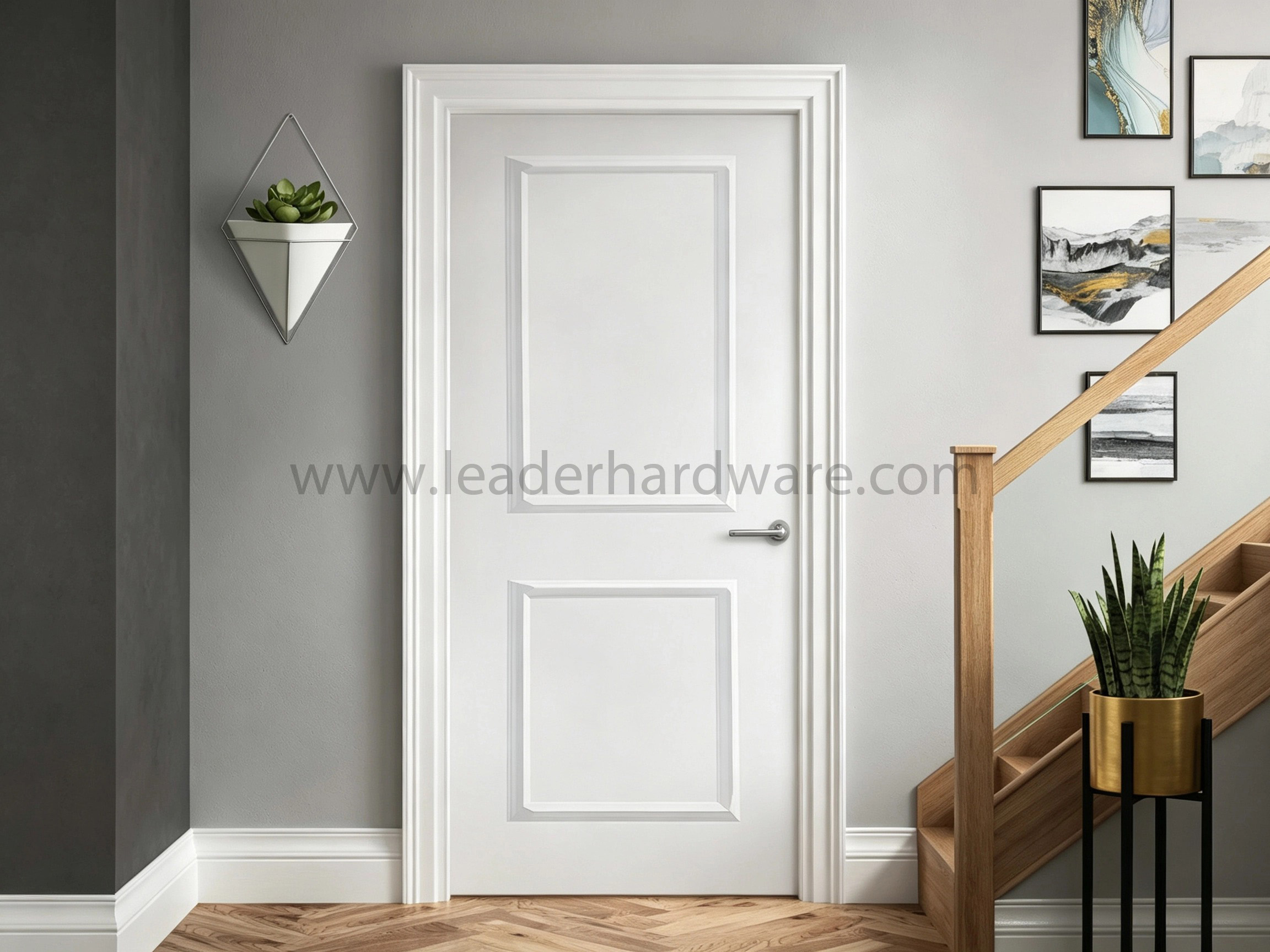 A solid lever handle is the stronger, heavier, and more premium choice, best suited for front doors and high-traffic commercial settings. A hollow (tube) lever handle is lighter and more cost-effective, making it a practical option for interior doors and residential use. The right door handle depend
 -
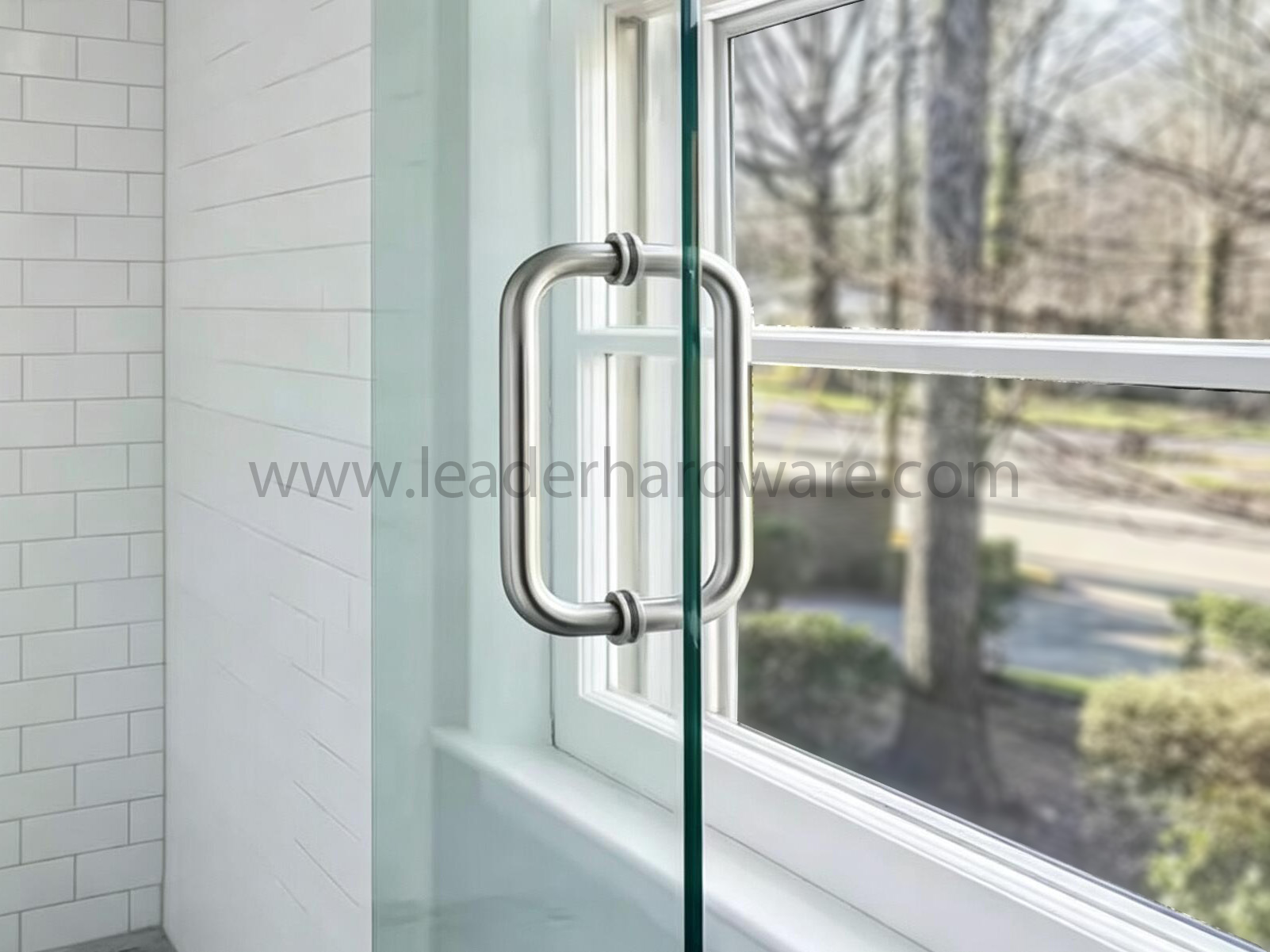 The Leader Hardware PHS-202 is a 304 stainless steel pull handle for glass shower doors, compatible with 6mm to 12mm glass. It features a 3/4" (19mm) diameter round tube, laser-welded construction, up to 240 hours NSS corrosion resistance, and multiple finish options including Brushed Stainle
 -
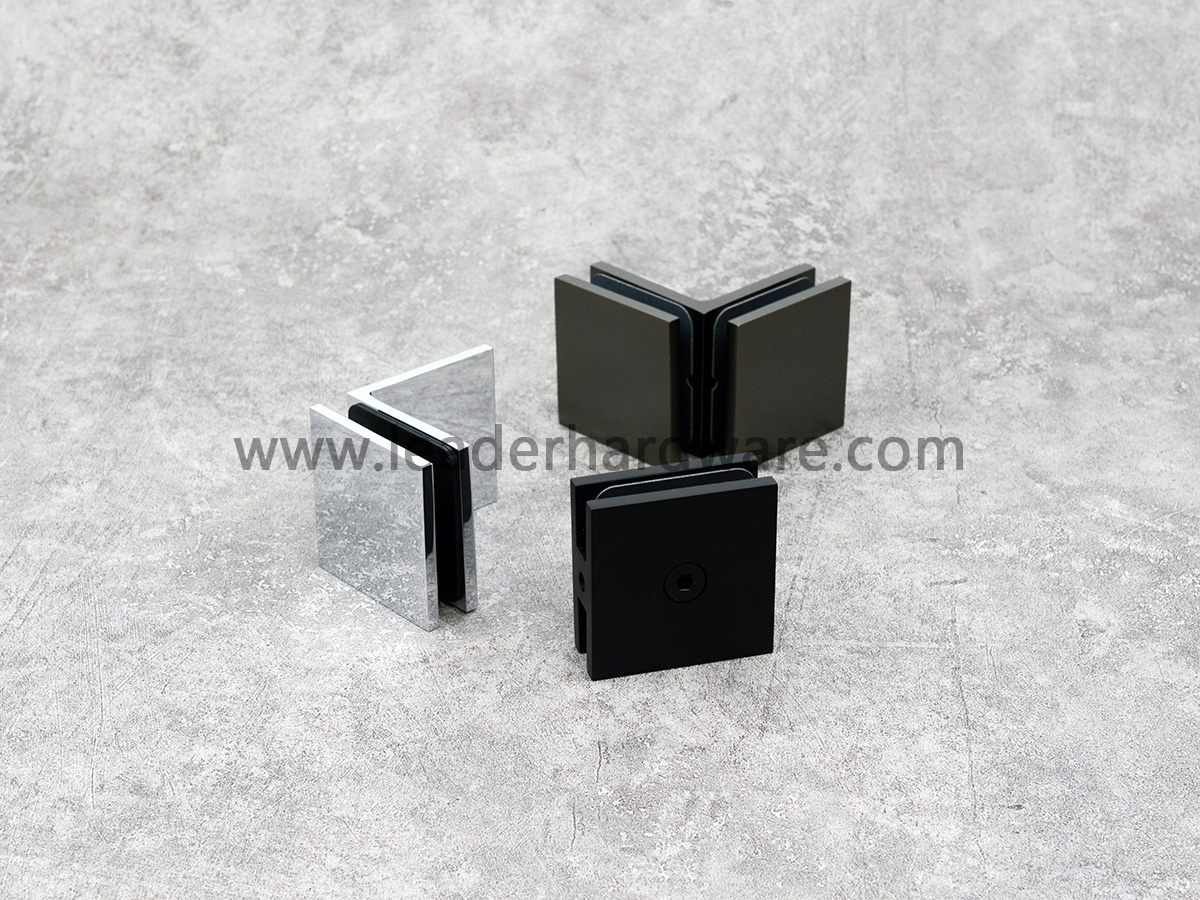 A wall to glass clamp is a hardware fitting that anchors a glass panel directly to a wall surface, eliminating the need for a traditional frame or drilling through the glass itself. These clamps are widely used in shower enclosures, balustrades, partition walls, and commercial glazing systems where
Keep In Touch With Us
Ready to partner with a reliable manufacturer for your next project?
Our expert sales team is here to help.
Fill out the form below, and we will get back to you within 24 hours.
WhatsApp:+86-198 4916 4959
E-mail:info@leaderhardware.com
Tel:+86 750 366 8980


